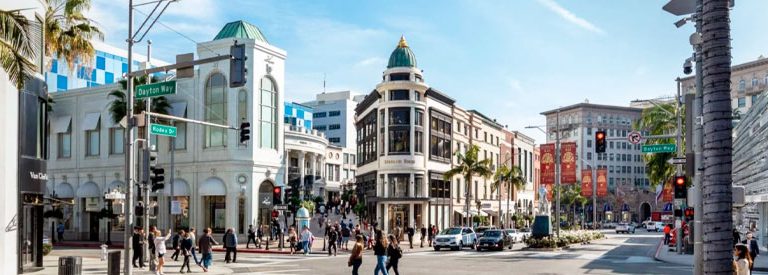
Property management has evolved far beyond operations, with today’s leaders driving tenant retention, financial strategy, and risk protection across every asset.
The Evolution of the Property Manager: Why I Believe the Role Has Changed Forever
For a long time, if you were a commercial property manager, your job was straightforward. You were the person who made sure the HVAC worked, the floors were clean, and the rent was collected. But I’ve watched the commercial real estate landscape shift. Between the rise of hybrid work and the new power dynamic between landlords and tenants, the old way of doing things just doesn’t cut it anymore. Today, I see property managers stepping into a much more complex role—acting as a mix of customer service director, financial analyst, and legal strategist.
Elevated Service: Fostering Tenant Relationships for Retention
In a highly competitive environment of commercial real estate, the property manager must be a proactive partner offering an elevated level of customer service essential for tenant retention and retail center vitality. This means anticipating the tenants’ needs, keeping open communication, rapid responses to operational issues, and providing actionable support for marketing and leasing compliance. This level of superior service involves offering strategic insights to tenants, fostering a collaborative relationship, and transforming it from landlord-tenant to a mutually invested partnership. Property Managers who operate with a customer service mindset are far more valuable than someone who just files maintenance tickets.
The Financial Architect: Moving Beyond the Rent Roll
I’ve also noticed that property owners are asking for much more than they used to. With interest rates jumping and occupancy shifting, a manager has to know the financials of the asset. There is an expectation to break down Operating Expenses (OpEx) and Capital Expenditures (CapEx) in ways that show the long-term impact on a building’s value. I’m also seeing “green accounting” become a larger part of the job—tracking sustainability metrics that directly hit the bottom line. In my view, the property manager has become a true partner to institutional investors, speaking their language to protect the asset’s performance.
The Compliance Shield: Navigating the Legalities of it All
The third big shift I’ve observed is the need for serious legal and regulatory savvy. The rules for commercial buildings are getting incredibly dense. Whether it’s new carbon emission laws or changing labor regulations, the risk of missing something is huge. I’ve watched property managers become the first line of defense in risk management. They have to be able to interpret complex lease language, understand indemnity clauses, and navigate the nuances of things like Force Majeure. They aren’t just checking boxes; they’re identifying liabilities before they turn into lawsuits.
Conclusion: The New Standard
In my opinion, the way property roles have evolved is just a reflection of how the whole economy is modernizing. A building is only as good as the people running it. By blending the empathy of a service leader, the precision of an accountant, and the diligence of a legal consultant, I believe today’s property managers have become the most vital link in the chain. They aren’t just managing four walls and a roof anymore; they’re managing the complex, human-centric ecosystems that keep modern business moving. See how stronger property management can protect asset value, improve tenant retention, and reduce operational risk, let’s connect and discuss your property strategy.
SOURCED BY

Kelli Jackson
Vice President of Property Management
(818) 650-1552
kelli@illicre.com